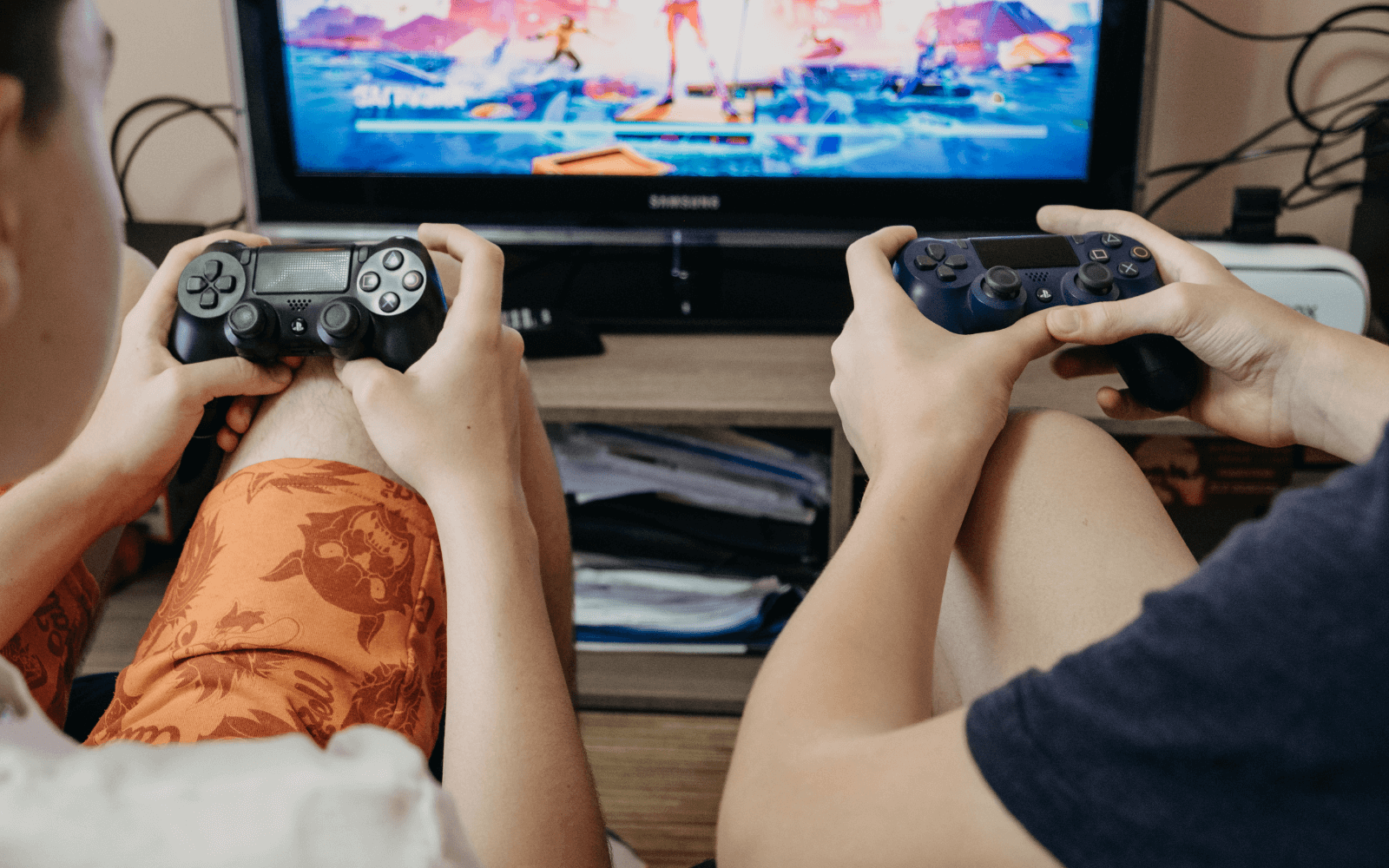
Gaming can provide entertainment, friendship, and a sense of achievement. However, when the digital world becomes easier to manage than everyday life, playing can gradually interfere with relationships, responsibilities, emotional health, and personal goals. For people struggling with gaming addiction, lasting recovery involves more than limiting screen time. It means rebuilding a fulfilling life, learning healthier ways to handle stress, and discovering that meaningful experiences exist beyond the game.
Gaming addiction can develop when playing becomes difficult to control and continues despite harmful consequences. For some people, gaming offers temporary relief from anxiety, loneliness, depression, or pressure. Although that escape may feel comforting at first, it can make underlying problems harder to address. With practical strategies, supportive relationships, and appropriate professional care, individuals can begin moving away from compulsive gaming and toward a healthier, more balanced future.
Understanding the Shift From Gaming to Everyday Life
One of the biggest challenges in gaming addiction recovery is adjusting to life outside the digital environment. Games often provide clear goals, immediate feedback, and frequent rewards. Everyday responsibilities, on the other hand, can feel unpredictable and demanding.
A person may know that gaming is affecting their life yet struggle to find the same excitement or satisfaction in ordinary activities. Schoolwork, employment, household responsibilities, and conversations with loved ones may seem less rewarding by comparison.
Recognizing this difference is an important first step. Recovery is not simply about removing gaming from the schedule. It is about developing routines, relationships, and interests that make everyday life more engaging and emotionally rewarding.
Recognizing When Gaming Has Become a Problem
Gaming habits deserve closer attention when they begin affecting important areas of life. Warning signs may include:
- Repeatedly playing longer than intended.
- Neglecting school, work, personal hygiene, or household responsibilities.
- Losing sleep because of late night gaming sessions.
- Becoming irritable or distressed when unable to play.
- Withdrawing from family members and friends.
- Using games to avoid difficult emotions or unresolved problems.
- Continuing to play despite clear consequences for health, relationships, or daily functioning.
These signs do not mean that every enthusiastic gamer has an addiction. However, persistent loss of control and significant disruption to everyday life can indicate that professional assessment would be helpful.
Building a Daily Routine That Supports Recovery
A structured routine can make gaming addiction recovery more manageable. When most free time has been organized around gaming, suddenly removing that activity can leave a person feeling bored, restless, or uncertain about what to do next.
Rather than trying to change everything immediately, start by creating a realistic daily schedule. Include consistent sleep and wake times, regular meals, work or study commitments, physical activity, and time for relationships.
Set Small, Achievable Goals
Large goals can feel overwhelming, especially when motivation is low. Smaller steps make progress easier to recognize and maintain.
For example, you might begin by completing one important task before using any recreational screen time. You could also establish a consistent bedtime, spend 20 minutes outdoors, or schedule a weekly activity with someone you trust.
As these habits become more consistent, gradually introduce additional goals. The purpose is to build a sustainable lifestyle, not to create a rigid schedule that becomes another source of stress.
Make Your Environment Work for You
Your surroundings can influence how easily you return to old habits. If gaming equipment is always accessible and notifications constantly remind you to play, resisting the urge may require considerable effort.
Consider practical adjustments such as:
- Keeping gaming devices out of the bedroom.
- Turning off gaming notifications during work, study, and family time.
- Setting specific times for device use.
- Avoiding gaming immediately before bed.
- Spending more time in shared spaces rather than isolating yourself.
- Planning offline activities before periods when you typically play excessively.
These changes reduce unnecessary triggers and create more opportunities to practice healthier habits.
Learning Healthier Ways to Handle Stress
For many people, gaming becomes a way to manage uncomfortable emotions. A difficult conversation, a disappointing day, or persistent worry may trigger the urge to escape into a virtual world.
If recovery focuses only on reducing gaming time, the emotional needs behind the behavior may remain unresolved. Therefore, developing effective coping skills is essential for long term progress.
Identify Your Emotional Triggers
Pay attention to what happens before you feel compelled to play. Are you bored, lonely, anxious, frustrated, or overwhelmed? Do you turn to gaming after an argument or when you feel unsuccessful?
Keeping a simple journal can help you identify these patterns. Record the situation, the emotion you experienced, and how you responded. Over time, you may notice specific triggers that repeatedly lead to excessive gaming.
Once you understand those triggers, you can prepare alternative responses. For example, calling a friend may help when you feel lonely, while taking a walk or practicing slow breathing may help when stress builds.
Practice Coping Skills That Work in Real Life
Healthy coping strategies do not need to be complicated. The most useful ones are activities you can realistically practice when difficult emotions arise.
Consider physical exercise, creative hobbies, mindfulness, journaling, prayer, or talking with someone you trust. If a problem requires action, break it into manageable steps rather than avoiding it through prolonged gaming.
It is also important to recognize that uncomfortable emotions are not automatically emergencies. Learning to experience disappointment, frustration, or boredom without immediately escaping can gradually strengthen emotional resilience.
Rebuilding Relationships and Social Confidence
Gaming can provide genuine social connection, particularly through cooperative play and online communities. However, when gaming begins replacing most face to face interaction, relationships outside the screen may weaken.
Family members may feel ignored, friends may stop reaching out, and important conversations may remain unresolved. Meanwhile, the person struggling with gaming may feel embarrassed or defensive about the situation.
Rebuilding trust requires patience and consistent action.
Start With Simple, Meaningful Connections
You do not have to repair every relationship at once. Begin with manageable steps, such as sharing a meal with family, arranging a short visit with a friend, or participating in a group activity.
Listen to the concerns of loved ones without immediately trying to justify past behavior. If your gaming habits have hurt someone, acknowledge the impact and demonstrate change through reliable actions.
Healthy boundaries are equally important. Supportive family members can encourage progress without monitoring every moment or turning every conversation into a confrontation about gaming.
If communication has become particularly difficult, family counseling may help everyone express concerns, establish reasonable expectations, and develop healthier ways of supporting recovery.
Finding Purpose Beyond the Screen
Games often make achievement easy to measure. Players can see their progress, earn rewards, improve their skills, and reach new levels. Everyday accomplishments may feel less immediate, especially when someone has spent a long time relying on gaming for satisfaction.
Recovery provides an opportunity to discover interests and goals that create meaning outside a virtual environment.
Explore Activities That Match Your Interests
Think about activities you enjoyed before gaming became a central part of your life. You might rediscover music, sports, reading, cooking, volunteering, or learning a practical skill. Alternatively, you could explore something entirely new.
Choose activities that fit your personality and circumstances.