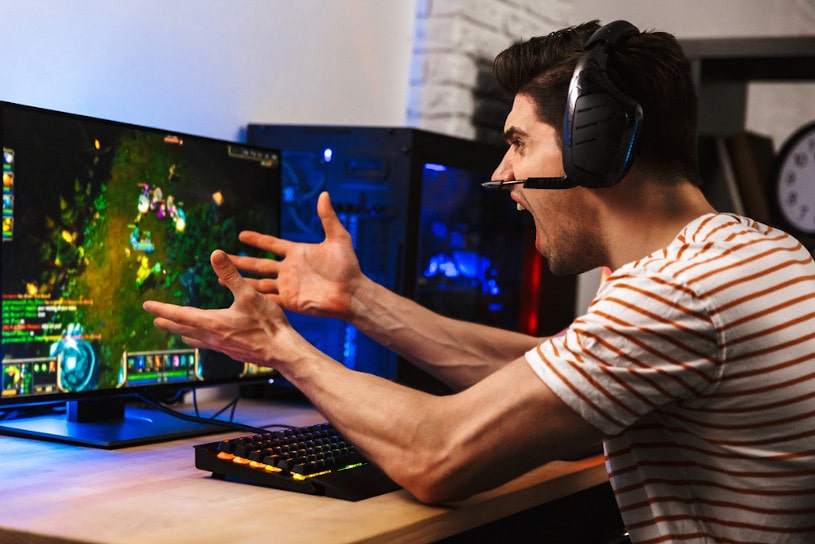
Video games can be a source of entertainment, creativity, and connection. They offer a way to unwind, socialize, and challenge ourselves. For many, gaming is harmless and even beneficial. However, for some, what starts as a fun pastime can evolve into a pattern of behavior that interferes with daily life, relationships, and emotional well-being. Recognizing the signs early and knowing how to find support is essential for anyone struggling with gaming addiction.
What Is Gaming Addiction?
Gaming addiction, also known as compulsive gaming, occurs when gaming becomes the primary way to cope with stress, anxiety, or emotional pain. It goes beyond enjoying a hobby and starts to interfere with personal responsibilities, work, school, and social connections. At Mustard Seed International, we see firsthand how gaming addiction can affect both the individual and their loved ones, often masking deeper emotional challenges.
Common Signs That Gaming May Be a Problem
Spending Excessive Time Gaming
One of the first signs of gaming addiction is losing track of time or consistently prioritizing games over essential responsibilities. Missing meals, sleep, or social events to play games is a warning signal that balance is lost.
Emotional Dependence on Gaming
When someone relies on gaming to escape stress, sadness, or anxiety, it can indicate an unhealthy coping mechanism. Feeling irritable or anxious when unable to play is another red flag.
Neglecting Relationships and Daily Life
Gaming addiction often causes strain in personal relationships. Family members, friends, or colleagues may notice withdrawal from social interaction, missed obligations, or declining performance at work or school.
Declining Physical and Mental Health
Excessive gaming can lead to poor sleep, reduced physical activity, and increased stress. Mental health challenges such as anxiety, depression, or irritability may intensify when gaming is used as the primary form of coping.
Steps to Seek Support and Begin Recovery
Acknowledge the Problem
The first step toward recovery is recognizing that gaming is causing harm. Acceptance allows individuals to take meaningful action without shame or denial.
Reach Out for Professional Help
Mustard Seed International offers compassionate, client-centered care for those struggling with addiction. Our inpatient and outpatient programs provide a safe environment to explore the underlying causes of gaming dependency while learning practical strategies to regain balance.
Explore Holistic and Faith-Based Approaches
Recovery is not only about stopping gaming but also about rebuilding life in a healthy, balanced way. Holistic therapies, counseling, and faith-based support can address emotional, mental, and spiritual needs, helping individuals rediscover purpose and connection.
Develop Healthy Coping Strategies
Replacing gaming with positive coping mechanisms, such as physical activity, social engagement, or creative pursuits, can reduce dependency. Mindfulness, journaling, and structured daily routines support long-term recovery and emotional well-being.
Engage with Community Support
Support groups and community programs provide accountability and encouragement. Sharing experiences with others who understand the challenges of gaming addiction can reduce feelings of isolation and foster resilience.
Taking the First Step Toward Recovery
Gaming addiction is a real and manageable condition. Recognizing the signs and seeking support early can prevent further harm and lead to lasting recovery. At Mustard Seed International, we are committed to helping individuals regain control of their lives through compassionate, professional, and personalized care. If gaming has stopped being fun and started affecting your life, reach out today. Help is available, and recovery is possible.