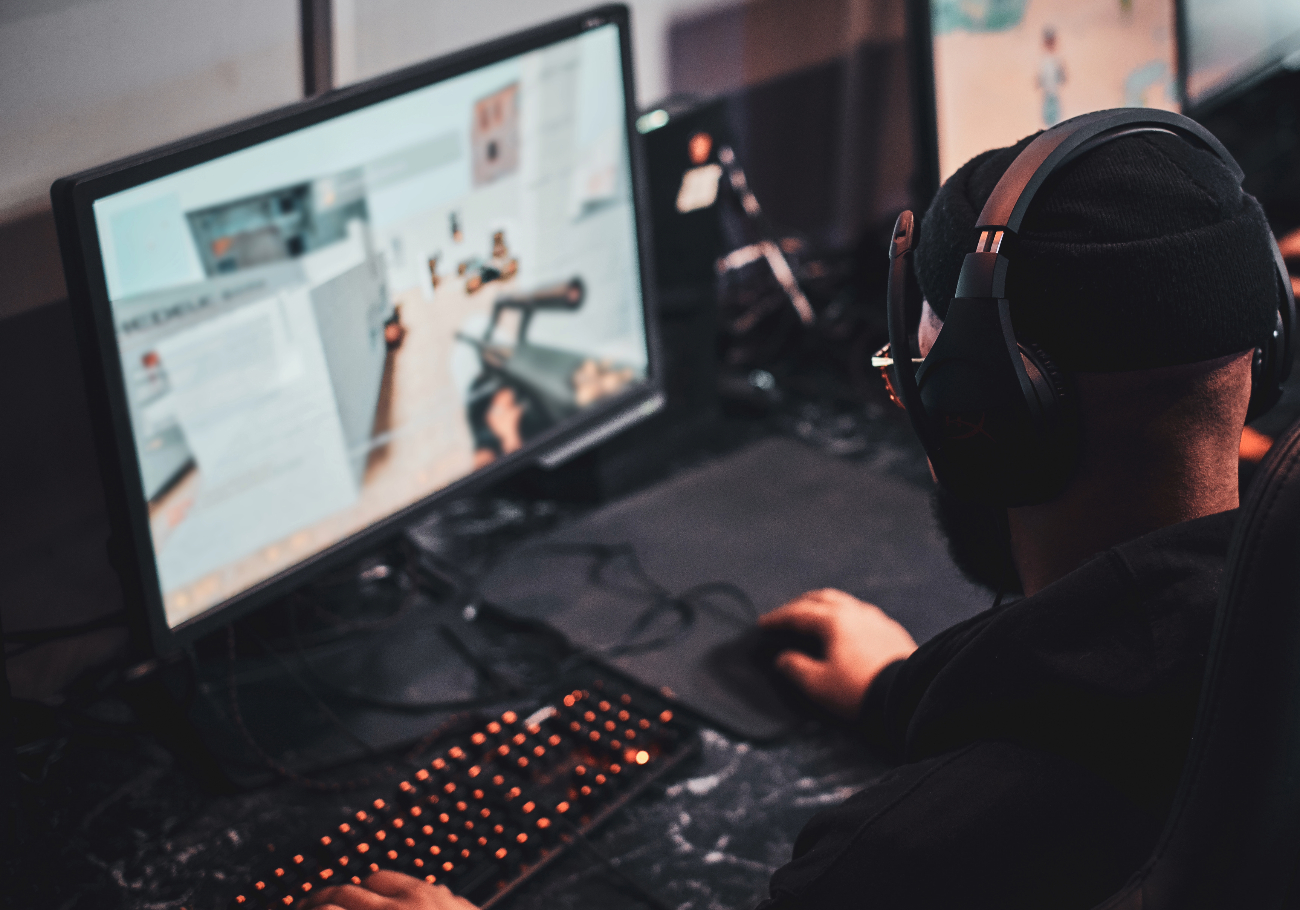
Gaming can begin as a simple way to relax, connect with friends, or enjoy a challenge. However, when gaming starts taking priority over sleep, work, school, relationships, responsibilities, or personal goals, the effects can reach far beyond the screen. A person may intend to play for an hour and still be gaming several hours later. Over time, everyday routines can become disorganized, relationships can become strained, and real life can begin to feel less rewarding. Rebuilding a healthier daily life after gaming addiction requires more than simply turning off a console. It involves restoring structure, addressing emotional needs, developing healthier coping skills, and creating a life that feels meaningful outside gaming.
The World Health Organization recognizes gaming disorder as a pattern involving impaired control over gaming, increasing priority given to gaming over other activities, and continued gaming despite negative consequences. For a diagnosis, the pattern must cause significant impairment in important areas of functioning and is normally evident for at least 12 months. At the same time, gaming disorder affects only a small proportion of people who play video games.
For someone whose gaming has become difficult to control, recognizing the problem is not a reason for shame. It is an opportunity to understand what is happening and begin making practical changes.
Recognize How Gaming Is Affecting Daily Life
One of the clearest signs that gaming has become a problem is not simply the number of hours spent playing. It is what happens to the rest of life.
Gaming may be taking over when you regularly:
- Stay awake late to keep playing
- Miss work, school, appointments, or responsibilities
- Avoid family or friends so you can continue gaming
- Lose interest in hobbies that once mattered to you
- Become irritable when you cannot play
- Try to reduce gaming but repeatedly return to old patterns
- Use gaming as your primary way to handle stress or difficult emotions
- Continue playing even after experiencing serious consequences
The key question is whether gaming is becoming more important than the responsibilities, relationships, and activities that make up a healthy life.
Look at the Pattern, Not Just One Bad Day
Everyone occasionally loses track of time while enjoying a game. Recovery concerns become more significant when the pattern is persistent and begins interfering with normal functioning.
Instead of asking, “How many hours do I game?” also ask, “What am I giving up because I am gaming?”
That question can reveal the real impact.
Rebuild Structure One Routine at a Time
Compulsive gaming can disrupt the basic rhythm of everyday life. Sleep schedules become inconsistent. Meals are skipped or eaten in front of a screen. Exercise disappears. Household responsibilities pile up. Work or school may receive attention only when deadlines become unavoidable.
The good news is that routines can be rebuilt.
Start With the Basics
Do not try to change everything simultaneously. Begin with a few predictable habits:
- Wake up at a consistent time.
- Establish a regular bedtime.
- Eat meals away from gaming devices.
- Take a walk or exercise each day.
- Complete important responsibilities before recreational screen time.
- Schedule time with family or friends.
- Set aside part of each day for screen free activities.
These steps may seem simple, but consistency matters. A stable routine gives your brain and body something to rely on while you work through deeper recovery issues.
Identify What Gaming Has Been Helping You Avoid
Stopping a behavior is often harder when that behavior has been serving an emotional purpose.
Gaming may provide temporary relief from anxiety, loneliness, boredom, frustration, disappointment, or feelings of failure. It may also offer a sense of achievement and control that feels difficult to experience in other parts of life.
If those needs remain unaddressed, simply removing gaming can create a painful gap.
Ask Yourself Honest Questions
Consider keeping a journal and writing down your answers to questions such as:
- What am I usually feeling before I start gaming?
- What situations make me want to escape into a game?
- What does gaming give me that I am not getting elsewhere?
- How do I respond to stress when I cannot play?
- Which parts of my life have become smaller because of gaming?
- What would I like my life to look like six months from now?
There are no perfect answers. The purpose is to understand the pattern.
Once you know what triggers excessive gaming, you can begin choosing healthier ways to respond.
Replace Gaming With Meaningful Activities
An empty schedule can make recovery much harder. If gaming previously filled four or five hours every evening, suddenly removing those hours may leave you bored, restless, or emotionally uncomfortable.
Instead, build replacements into your schedule.
Choose Activities That Serve a Purpose
Try activities that meet some of the same needs gaming previously provided.
If you want achievement, set goals around fitness, education, work, or a creative project.
If you want connection, spend time with friends, family, community groups, or a support network.
If you need excitement, consider sports, outdoor activities, travel, music, or other healthy challenges.
If you need relaxation, try reading, walking, stretching, prayer, meditation, or quiet time.
If you need creativity, explore writing, painting, photography, cooking, music, or another hands on activity.
Recovery becomes easier when you are not simply taking something away. You are building something better in its place.
Create Healthier Technology Boundaries
Technology is part of modern life, so complete avoidance of screens is rarely realistic. The goal is to develop intentional technology habits.
Make Gaming Less Automatic
Consider creating clear boundaries around gaming and other digital activities.
You might:
- Remove games from your phone if mobile gaming is a major trigger.
- Turn off gaming notifications.
- Keep gaming devices outside the bedroom.
- Avoid gaming during meals.
- Establish technology free periods.
- Use alarms or scheduled reminders to create stopping points.
- Ask a trusted person to help you maintain accountability.
For some people, taking a temporary break from gaming may be more manageable than attempting moderation immediately. The appropriate approach depends on the individual and the severity of the problem.
The important thing is to replace automatic behavior with deliberate choices.
Protect Your Sleep and Physical Health
Gaming addiction can affect more than emotional well-being. Excessive gaming may contribute to sleep disruption, reduced physical activity, and unhealthy daily routines. WHO notes that health concerns associated with problematic gaming can include insufficient physical activity, unhealthy diet, sleep deprivation, and other physical and psychosocial concerns.
Make Sleep a Recovery Priority
Sleep deserves special attention because tiredness can weaken your ability to manage impulses and cope with stress.
Create a consistent evening routine. Give yourself time to wind down before bed. Keep gaming devices away from where you sleep when possible. If nighttime gaming is one of your strongest patterns, consider asking someone you trust to help you maintain the boundary.
Better sleep will not solve gaming addiction by itself, but it can make other recovery skills easier to practice.
Rebuild Relationships That Have Been Affected
Gaming can gradually create distance between people.
You may have canceled plans repeatedly, ignored messages, missed important family moments, or become emotionally unavailable because gaming occupied so much of your attention.
Rebuilding those relationships takes time.
Let Your Actions Show the Change
You do not need to make dramatic promises. Start by becoming more present.
Have dinner with your family without a screen. Call someone you have been avoiding. Follow through on a commitment. Ask someone how they are doing and genuinely listen.
Trust is often rebuilt through repeated, consistent actions.
If someone close to you is frustrated or skeptical, try to remember that their reaction may come from what they have experienced. Give them time to see that your behavior is changing.
Address Mental Health Alongside Gaming Addiction
Gaming addiction should not always be treated as an isolated behavior.
For some individuals, excessive gaming develops alongside anxiety, depression, loneliness, trauma related difficulties, or other mental health concerns. In those situations, gaming may become a coping strategy for managing emotional pain.
Professional support can help identify these underlying concerns and determine what type of treatment may be appropriate.
Consider Individualized Treatment
There is no single recovery plan that works for everyone.
Some people may benefit from outpatient counseling while continuing to work, attend school, and live at home. Others may need a more structured inpatient or residential environment if gaming is severe or occurs alongside significant mental health or behavioral concerns.
Treatment may also incorporate holistic approaches that consider emotional, physical, relational, and spiritual well-being.
For individuals whose faith is an important part of their identity, faith based support may provide opportunities to explore purpose, forgiveness, hope, accountability, and spiritual renewal alongside appropriate clinical care.
The goal is not simply to stop gaming. It is to understand the person behind the behavior and help that person build a healthier life.
Develop a Plan for Gaming Triggers
Recovery becomes stronger when you prepare for difficult moments before they happen.
Use an If Then Plan
Think about your most common triggers and create a specific response.
For example:
If I want to game because I am stressed, then I will take a 15 minute walk and contact someone I trust.
If I feel lonely, then I will reach out to a friend instead of immediately opening a game.
If I finish my responsibilities and feel bored, then I will choose one activity from my recovery list.
This approach removes some of the decision making that happens when an urge is already strong.
Treat Setbacks as Information
A setback does not mean that recovery has failed.
If you spend more time gaming than planned, take a step back and examine what happened. Were you tired? Stressed? Lonely? Angry? Avoiding an important responsibility?
The answer can help you strengthen your recovery plan.
Instead of thinking, “I cannot change,” try asking, “What can I learn from this situation?”
That shift matters because sustainable recovery is built through awareness, adjustment, and repeated practice.
Build a Life That Does Not Revolve Around Gaming
Ultimately, the goal is not simply to spend fewer hours playing games. The deeper goal is to create a daily life that feels worth participating in.
That means having reasons to get out of bed. It means relationships that matter. It means responsibilities you can feel proud of meeting. It means interests that challenge you and activities that bring genuine satisfaction.
For some people, that may involve rebuilding a career or education. For others, it may mean repairing family relationships, improving physical health, reconnecting with faith, or discovering new interests.
A healthier daily life does not have to be perfect. It simply needs to become larger than the screen.
Take the Next Step Toward Recovery
When gaming takes over, it can feel as though the habits have become too deeply established to change. However, compulsive gaming is not an identity. It is a pattern, and patterns can be understood and changed with appropriate support.
If gaming is interfering with your mental health, relationships, responsibilities, sleep, or future goals, consider talking with a qualified mental health or addiction professional. You do not have to wait until every part of life has fallen apart before asking for help.
Recovery can begin with one honest conversation and one practical change. With individualized support, healthier coping strategies, consistent routines, and attention to the whole person, life can gradually become fuller and more balanced.
The goal is not simply to spend less time gaming. The goal is to have more time for you, your relationships, your health, your purpose, and the life you want to build.